How Seasonal Weather Shifts Put Stress on Your Heating, Cooling, and Refrigeration Systems and What You Can Do to Stay Ahead of Costly Repairs
Every change of season asks something different from the equipment that keeps your home or business comfortable. A furnace that worked flawlessly through December faces a very different workload when the first humid July afternoon arrives, and a refrigeration unit humming along in April may struggle when outdoor temperatures climb twenty degrees in a matter of weeks. The transitions between seasons are when systems are most likely to fail, because the demand on them changes faster than many owners realize.
Understanding how weather shifts affect your mechanical systems helps you plan ahead instead of reacting to a breakdown. At Greenwood Refrigeration, we serve homes and businesses across Bowling Green, Franklin, Alvaton, Rockfield, and Auburn, Kentucky, and the regional climate here produces sharp seasonal contrasts that wear equipment hard. Below, we break down how each shift creates stress and what practical steps you can take to avoid expensive repairs.
Why Seasonal Transitions Strain Mechanical Systems
Heating, cooling, and refrigeration equipment is engineered to operate within a specific range of conditions. When the outdoor temperature swings rapidly, components must work harder to maintain the indoor conditions you set. A heat pump switching between heating and cooling modes during an unpredictable spring, for example, cycles more often than during a stable season, and each cycle adds wear to the compressor, reversing valve, and electrical contacts.
The problem is magnified by the fact that equipment often sits idle during off-seasons. An air conditioner that has not run since early October may have accumulated dust, debris, or corrosion by the time you need it in May. When you suddenly ask that idle system to work at full capacity, weak parts reveal themselves quickly. This is why so many first-hot-day and first-cold-day service calls involve failures that were quietly developing for months.
Summer Heat and the Cooling System Workload
Kentucky summers combine high temperatures with heavy humidity, and both factors push air conditioning systems to their limits. When the outdoor unit must reject heat into already-hot air, the compressor runs longer and the refrigerant pressures rise. A system that is low on refrigerant, has a dirty condenser coil, or suffers from restricted airflow will overheat faster under these conditions, and overheating is one of the leading causes of compressor failure.
Humidity adds a second layer of stress. Air conditioners do not only cool the air, they also remove moisture. When the humidity load is high, the evaporator coil works harder, condensate drains carry more water, and clogged drain lines can cause water damage or trigger safety shutoffs. Businesses that rely on refrigeration face the same pressures. A walk-in cooler or reach-in unit struggles to hold temperature when the surrounding kitchen or storeroom is warm, which means food safety and product loss become real concerns during the hottest months.
Winter Cold and the Heating System Demand
When temperatures drop, furnaces and heat pumps carry the opposite burden. A furnace that ran only intermittently in fall must suddenly operate for hours at a time, and that sustained demand exposes cracked heat exchangers, failing ignitors, and clogged filters. Heat pumps face an additional challenge because their efficiency drops as outdoor temperatures fall, forcing auxiliary heat strips to engage and driving up energy use.
Cold weather also stresses electrical and mechanical components that have contracted in the low temperatures. Blower motors draw more current at startup, belts become brittle, and gas valves may stick. Refrigeration systems located in unheated spaces can experience their own cold-weather problems, including oil thickening and pressure control faults. Addressing these issues before the first hard freeze keeps you from losing heat on the coldest night of the year.
Practical Steps to Stay Ahead of Repairs
The most reliable way to avoid seasonal breakdowns is to prepare your equipment before each demanding season arrives. A short list of habits keeps your systems resilient and your repair costs predictable.
- Schedule seasonal maintenance: Have cooling systems checked in spring and heating systems inspected in fall so problems are found before peak demand.
- Replace filters regularly: A clogged filter restricts airflow and forces equipment to work harder in every season.
- Keep outdoor units clear: Remove leaves, grass clippings, and debris from around condensers and heat pumps to protect airflow.
- Monitor refrigeration temperatures: Track cooler and freezer readings so a slow decline is caught before product is lost.
- Address small issues early: Unusual sounds, weak airflow, or rising energy bills often signal a problem that is cheaper to fix now than later.
Why Local Service Makes the Difference
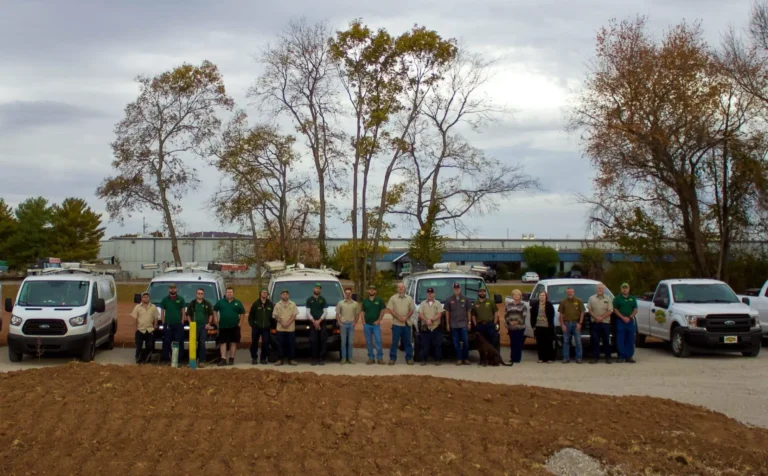
We are a family-owned, “home town” service company, with an up-and-coming second generation carrying the work forward. While technologies change, our guiding principles are the same today as they were in the beginning. We offer heating, air conditioning, and refrigeration solutions with a customer-first mindset, and by focusing on delivering superior service without cutting corners, our reputation for quality work has built a company that lasts.
We are big enough to provide a wide range of services, yet still small enough to offer the best service available with a personal touch. When a seasonal shift catches your system off guard, our 24/7 emergency repair services mean you are never left waiting through a sweltering night or a freezing morning. Reach out to Greenwood Refrigeration to schedule seasonal maintenance or to get help the moment a problem appears, and keep your home or business comfortable no matter what the weather brings.